Septic Inspections in Lakeside, MT
Buying or selling a home in the Flathead? We inspect the tank, components and drain field and give you a clear written picture before closing.
Inspections in Lakeside
A septic inspection tells you the true condition of a system before it becomes your problem, which is exactly why they matter when a Flathead Valley home changes hands. We inspect residential septic systems across the valley for buyers, sellers, agents and owners who just want to know where they stand. A big share of our inspection calls come from buyers moving in from out of state who have never owned a septic system, and from their agents, who want a straight answer before the contingency deadline. We locate and open the tank, pump it if needed to see the bottom, measure the sludge and scum levels, check the baffles, lid and risers, inspect any pump and float controls, run water to see how the system handles flow, and evaluate the drain field for signs of failure like soggy ground, surfacing effluent, or a field sitting in shallow groundwater. You get a clear rundown of what is good, what is aging, and what needs attention: the honest information you need to buy with confidence, sell without surprises, or budget for the work ahead.
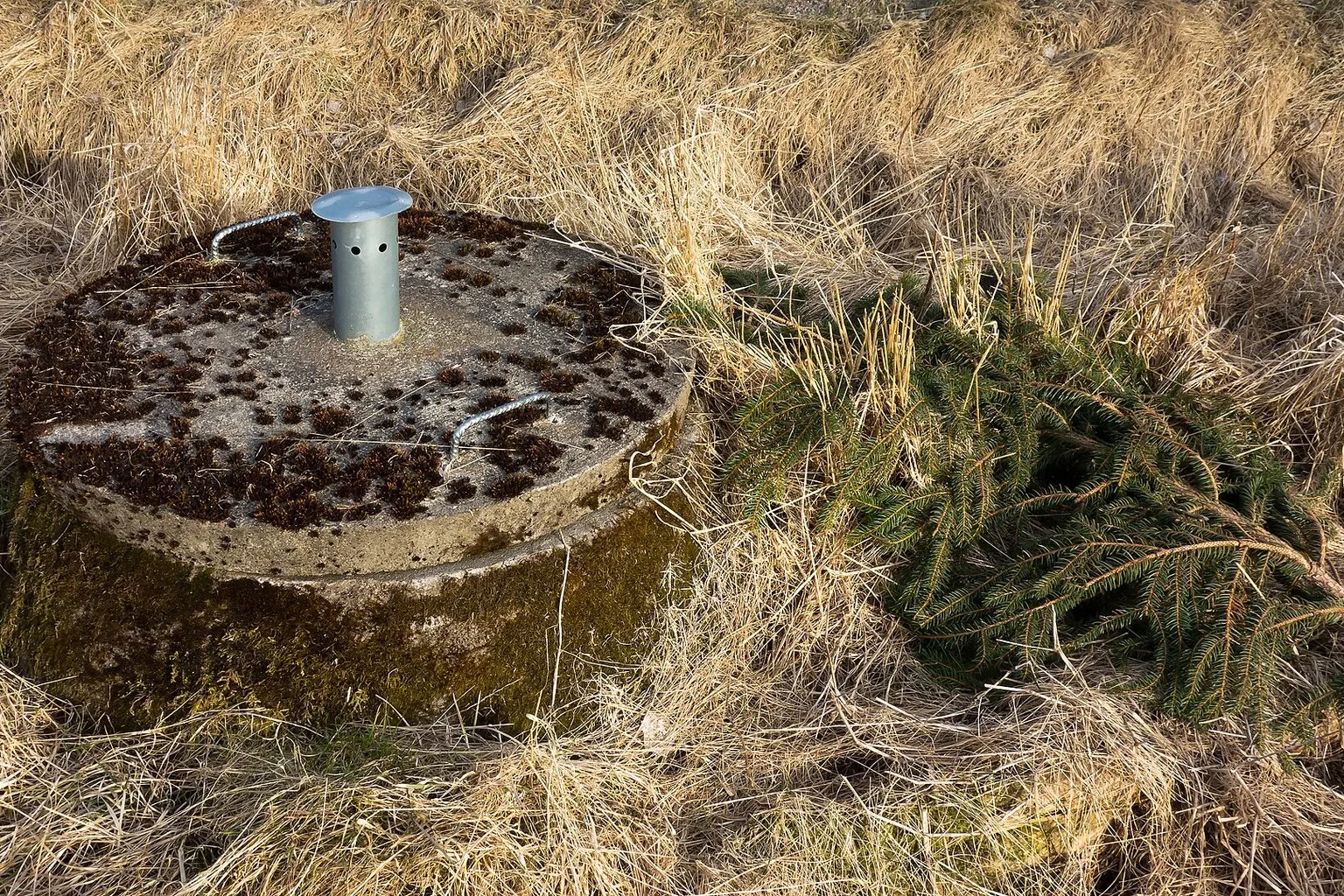
Septic service in Lakeside
Lakeside runs along the west shore of Flathead Lake on Highway 93, about fifteen miles south of Kalispell, strung between the water and the slopes that climb to Blacktail Mountain. It is a lake town through and through: homes and cabins on the shore, newer houses stepping up the hillside with a view, and the ski-area road winding up behind. A local water and sewer district serves part of the community along the highway, but a great many Lakeside homes, especially up the hill and along the shore toward Angel Point and south toward Rollins, run on septic. Lakeside septic is steep septic. Lots drop from the highway to the water or climb from the highway up the mountain, so a drain field is often not where the house is, and an effluent pump lifts the water to it. The ground is rocky and shallow in places, cobbly glacial gravel in others, with the lake itself setting the setbacks for anything new. We see pump systems at second homes that nobody is in when the alarm sounds, shoreline systems that predate today’s rules, and a steady stream of buyers who want an inspection before they close on a view lot. We pump, repair, inspect and install septic systems all over Lakeside and the west shore. Tell us where the property is and how the access looks and we will come prepared.
- Full inspection for buyers, sellers, agents and owners
- Tank located, opened, and sludge and scum levels measured
- Baffles, lids, risers and pump controls checked
- Flow tested by running water through the system
- Drain field walked for soggy ground, surfacing effluent and high groundwater
- Clear written summary of condition and any needed work, on your contract timeline
Need inspections elsewhere? See all of our Lakeside services or inspections across the Flathead Valley.
Inspections in Lakeside
Tell us what’s happening and we’ll call you back. Local Lakeside service.
Areas We Cover in Lakeside
In town, on the lake, or up a gravel road: if it’s in or around Lakeside, we come to your property.
- Angel Point
- Blacktail Mountain Road
- Highway 93 lakeshore
- West Shore south toward Rollins
- Lakeside hillside
Common Septic Issues in Lakeside
The septic problems we see most around here, and how we handle them.
Steep lots and effluent pumps
Most Lakeside homes sit well above or well below their drain field, so a pump tank and floats move the water. Those pumps wear out, and a failure stops the whole system. We test and replace pumps and floats and make sure the alarm is wired where someone will hear it, especially at a part-time home.
Shoreline systems and lake setbacks
Older west-shore cabins carry systems set close to the water, sized for weekend use. Flathead Lake water quality is watched closely, and a replacement on a shoreline lot has to meet today’s setbacks. We inspect honestly and tell you what the county would likely require.
Rocky, shallow ground on the hillside
Up Blacktail Mountain Road the soil is thin over rock in places, and a drain field has little room and little depth. Keeping the tank pumped so solids never reach the field is what makes a small hillside field last.
Inspections in Lakeside: FAQs
Do you cover Lakeside and the west shore?
My Lakeside home has a septic pump. What should I watch for?
Can you reach a tank on a steep Lakeside lot?
Do I need a septic inspection when buying a home in the Flathead Valley?
Will you pump the tank during the inspection?
Can you inspect a system in winter when the ground is frozen?
How long does an inspection take and what do I get?
Need Inspections in Lakeside?
Call or text for a fast quote. We come to your property, and backups, frozen systems and emergencies get priority.