Drain Field Repair in Marion, MT
Soggy yard, standing water or odors over the lines? We diagnose the real cause and give you a straight repair-or-replace answer.
Drain Field in Marion
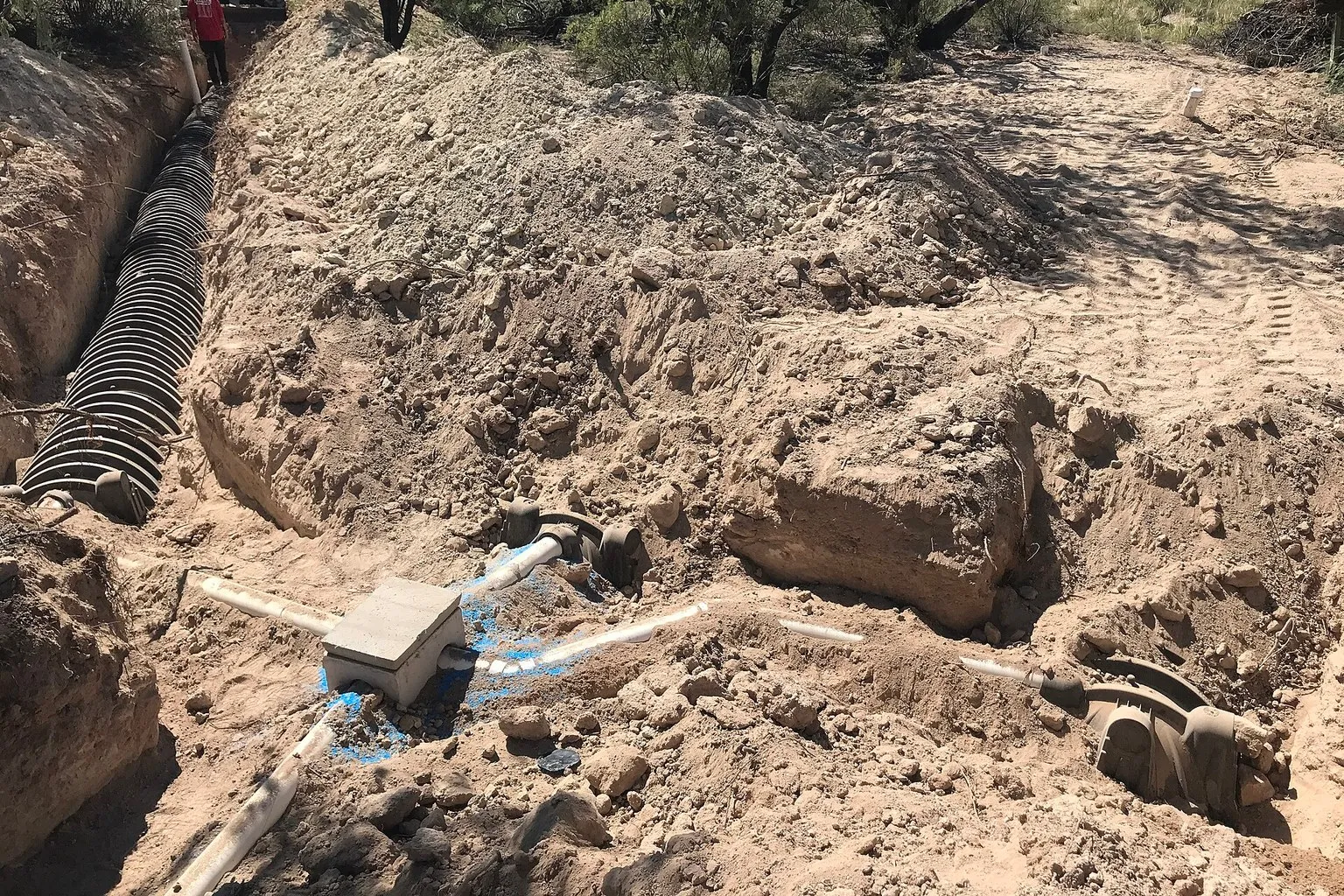
Drain field repair starts with an honest diagnosis, not a tear-out. The drain field, also called the leach field or field lines, is where treated water from the tank soaks back into the ground, and it is both the most important and the most expensive part of a septic system. When a field fails you see it in the yard: spongy or standing water over the lines, lush green strips of grass, sewage odor outside, slow drains in the house, and eventually backups. We diagnose and repair drain fields across the Flathead Valley, and the valley’s ground is the story. On the floor near the Flathead River, Ashley Creek and the lakeshores, groundwater sits close to the surface and a field has little dry soil to work with, especially during spring runoff. In the cobbly glacial gravel, water can move too fast; in the clay and silt pockets, too slow. Add a tank that overflowed solids into the lines, a frozen or crushed pipe, or a failed pump, and a lot of "dead field" calls turn out to be something fixable upstream. We find the real cause, and where the field itself has failed we repair, rebuild or replace it under the county permit, so the repair-versus-replace call is an honest one.
Septic service in Marion
Marion is the far west edge of the ground we cover, about 25 miles out from Kalispell on Highway 2, where the valley has given way entirely to timber, ranch land and lakes. It is a small community spread around Little Bitterroot Lake, McGregor Lake and Bitterroot Lake, with year-round homes along the highway and a lot of cabins and second homes on the lakeshores and up the gravel roads into the hills. There is no sewer in Marion and never will be; every home is on a well and a septic system. Marion septic is remote septic. Many of the lake cabins were built decades ago with small tanks set close to the water and short fields squeezed onto rocky lakeshore lots, and they sit empty for months before a full family arrives in July. The hill properties have long gravel driveways, big snow loads and deep frost, and tanks that nobody has seen since the house was built. We make the drive. We pump, repair, inspect and install septic systems around Marion and the west valley lakes, we bring the hose length for a cabin below the road, and we know what freezes out here and when. Tell us where the property is, how the road in looks, and what the system is doing, and we will give you a straight answer and a price before we start.
- Diagnosis of standing water, odors and soggy ground
- Tank, pump and line problems ruled out before condemning a field
- Crushed, frozen, clogged and root-invaded lines repaired or replaced
- Distribution box checked and rebuilt for even flow
- Honest call on repair versus rebuild; no needless tear-outs
- Field replacements permitted through Flathead County Environmental Health
Need drain field elsewhere? See all of our Marion services or drain field across the Flathead Valley.
Drain Field in Marion
Tell us what’s happening and we’ll call you back. Local Marion service.
Areas We Cover in Marion
In town, on the lake, or up a gravel road: if it’s in or around Marion, we come to your property.
- Little Bitterroot Lake
- McGregor Lake
- Bitterroot Lake
- Highway 2 West
- Marion hills
Common Septic Issues in Marion
The septic problems we see most around here, and how we handle them.
Lake cabins with small, old systems
Many cabins on Little Bitterroot, McGregor and Bitterroot Lakes carry tanks and fields set decades ago for weekend use. They are small for a full-house summer and sit close to the water. We pump them on a shorter interval, inspect them honestly, and tell you what a replacement would involve under today’s setbacks.
Remote access and deep snow
Marion properties often sit at the end of a long gravel road that drifts shut in winter, with the tank somewhere under the snow. We come prepared with the hose and the equipment for a remote lot, and we can mark the lid before the snow flies so a winter pump goes quickly.
Systems that sit empty, then fill up
A Marion cabin can go months without a flush and then host a family for two weeks straight. That on-and-off use is hard on a system and easy to neglect. A pump before the season and a check of the field is cheap insurance against a backup during the one week everyone is there.
Drain Field in Marion: FAQs
Do you drive out to Marion?
Our lake cabin sits empty most of the year. How do we keep the septic from freezing?
How often should a seasonal cabin be pumped?
There is standing water and a smell in my yard. Is my drain field dead?
Can a failing drain field be saved, or does it have to be replaced?
Does a drain field replacement need a permit in Flathead County?
How do I keep my drain field from failing?
Need Drain Field in Marion?
Call or text for a fast quote. We come to your property, and backups, frozen systems and emergencies get priority.